

Eyebrows are one of the most defining features of the face. They frame the eyes, express emotion, and bring balance to overall facial aesthetics. When someone opts for an eyebrow hair transplant, achieving the perfect shape is as important as achieving fullness. The artistry behind eyebrow design is what transforms a standard procedure into a stunning, natural enhancement. In modern aesthetic clinics, Eyebrow Hair Transplant in Dubai has evolved into a precise and creative process. Experts use advanced techniques, facial mapping, and artistic vision to craft the ideal eyebrow shape tailored to each individual’s features and personality.
The Art and Science of Eyebrow Design
Eyebrow design isn’t just about filling sparse areas—it’s about symmetry, proportion, and personal style. Experts blend anatomy, aesthetics, and artistry to create a design that complements the face naturally.
The process begins with understanding the patient’s expectations. Some prefer bold, statement brows, while others desire a softer, natural curve. The key is to find a balance that enhances the eyes and fits seamlessly with the rest of the facial structure.
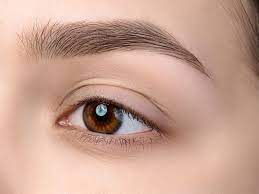
Step 1: Analyzing Facial Structure
Before a single follicle is implanted, the surgeon performs a detailed analysis of the patient’s facial features. Factors such as face shape, eye size, forehead height, and bone structure all play crucial roles in designing the ideal brow.
For example:
Round faces benefit from slightly arched brows that add definition.
Square faces look best with softer curves to balance strong jawlines.
Oval faces can accommodate a range of brow shapes, from natural to arched.
Heart-shaped faces are complemented by rounded brows that soften the forehead.
By studying these proportions, the surgeon ensures that the new brows enhance harmony rather than overpower the face.
Step 2: Creating a Customized Blueprint
Next, experts use digital imaging or manual sketching to draw the proposed eyebrow design directly onto the patient’s skin. This serves as a visual blueprint, allowing patients to preview their new look before the procedure begins.
The design process typically follows three reference points:
Starting Point: Aligned vertically with the inner corner of the eye.
Arch Point: Usually falls above the outer edge of the iris.
End Point: Extends slightly beyond the outer corner of the eye.
Precision in these measurements ensures that both eyebrows are symmetrical and naturally aligned with facial balance.
Step 3: Considering Natural Hair Flow and Direction
The direction and angle of eyebrow hairs are just as important as shape. Natural brows grow in varying directions—from upward near the inner corners to outward and downward toward the ends.
Experts meticulously map out these growth patterns to ensure that each transplanted follicle mimics the natural orientation. This step requires exceptional skill and experience, as improper angling can result in unnatural or uneven growth.
By matching each graft to the existing pattern, the final result appears seamless and authentic.
Step 4: Selecting the Right Hair Type
Hair selection is another critical part of designing the perfect eyebrow. Since scalp hair differs in texture and thickness, surgeons often choose donor hairs from areas where the strands are finer, such as behind the ears.
The number of grafts required depends on the patient’s needs:
For light filling or shape correction: around 200–300 grafts per brow.
For complete reconstruction: up to 400–600 grafts per brow.
Choosing the right hair type ensures the transplanted brows blend naturally and maintain a realistic appearance as they grow.
Step 5: Personalizing the Shape
Every individual has unique preferences and characteristics. Experts work closely with patients to personalize the design based on age, gender, lifestyle, and desired aesthetic.
Women often prefer softly arched, well-defined brows that highlight the eyes.
Men usually opt for thicker, straighter brows that maintain a masculine appeal.
Younger clients may choose bold or trendy shapes, while older clients might seek restoration for a subtle, youthful lift.
This personalized approach ensures that the final shape reflects the patient’s identity and enhances their natural beauty.
Step 6: Implantation with Artistic Precision
Once the design is finalized, the transplantation process begins. Using techniques like FUE (Follicular Unit Extraction), the surgeon implants each follicle at precise angles and depths according to the pre-drawn pattern.
The goal is to replicate the soft, natural gradient of real brows—denser at the arch and lighter at the edges. Every follicle is carefully positioned to ensure uniformity and lifelike growth.
This level of artistry transforms the procedure from a clinical process into a personalized aesthetic creation.
Step 7: Reviewing and Refining the Final Look
After implantation, patients are given time to heal before evaluating the final shape. As transplanted hairs begin to grow, the natural contour becomes more visible. Some minor adjustments or touch-ups may be performed later to perfect the balance and density.
Experts also guide patients on grooming, trimming, and shaping their new brows to maintain a flawless, long-lasting result.
Why Eyebrow Design Matters So Much
Perfectly designed eyebrows can:
Enhance facial symmetry and expression.
Create a youthful and vibrant appearance.
Frame the eyes for a more defined look.
Restore confidence in individuals with naturally thin or over-plucked brows.
In aesthetic hubs like Dubai, specialists understand that eyebrow design is not one-size-fits-all—it’s a personalized art form backed by medical precision.
The Role of Technology in Modern Eyebrow Design
Today’s experts often use digital tools, AI-assisted imaging, and high-definition photography to preview potential results. These technologies allow patients to visualize the shape, density, and contour before committing to the procedure.
This modern approach ensures accuracy and minimizes surprises—leading to consistently natural outcomes that exceed expectations.
Final Thoughts
Designing the ideal eyebrow shape for transplant is a meticulous and creative process that blends science with artistry. From facial analysis to follicle placement, every detail contributes to the natural beauty of the final result. With skilled surgeons and advanced techniques, Eyebrow Hair Transplant in Dubai continues to set the standard for precision and aesthetic excellence. Whether restoring lost brows or redefining your look, a well-designed transplant ensures balance, symmetry, and timeless beauty.




Top comments (0)