

Sensitive skin requires special care, especially when dealing with acne. While acne treatments are designed to reduce breakouts and improve skin health, individuals with sensitive skin often worry about irritation, redness, or excessive dryness. Choosing the right treatment is crucial to controlling acne while maintaining the skin’s natural barrier and comfort. Acne Treatment In Dubai programs offer personalized solutions for sensitive skin, combining professional guidance with carefully selected products and procedures to ensure safety and effectiveness.
Understanding Sensitive Skin
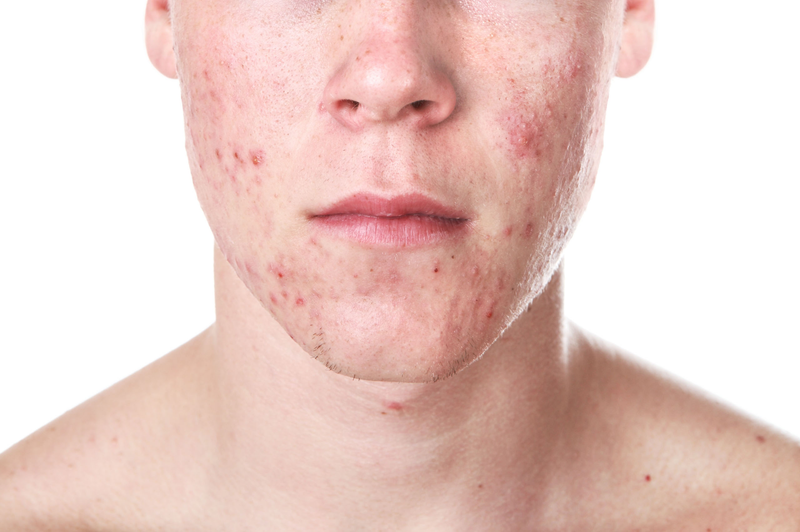
Sensitive skin tends to react easily to external triggers such as environmental pollutants, harsh products, or changes in climate. It can be prone to redness, burning, stinging, or dryness. Acne on sensitive skin may present as small red bumps, inflamed pimples, or post-inflammatory redness. Because sensitive skin is more reactive, standard acne treatments may cause discomfort if not properly chosen or applied. Understanding one’s skin type is the first step toward safe and effective acne management.
Topical Treatments for Sensitive Skin
Many traditional acne treatments contain strong ingredients that can irritate sensitive skin. However, there are formulations specifically designed for gentle yet effective acne care:
Low-Concentration Retinoids: Help unclog pores and promote cell turnover without causing excessive irritation.
Benzoyl Peroxide in Mild Formulations: Targets acne-causing bacteria while minimizing redness and dryness.
Niacinamide: Reduces inflammation, redness, and oil production while soothing the skin.
Azelaic Acid: Treats acne, reduces post-inflammatory hyperpigmentation, and is gentle enough for sensitive skin.
Applying these treatments under professional guidance ensures that acne is managed without compromising skin comfort. Patch testing and gradual introduction of products also help prevent adverse reactions.
Oral Medications for Sensitive Skin
For individuals with persistent acne on sensitive skin, oral treatments may sometimes be necessary. Antibiotics, hormonal therapies, or other oral medications can target inflammation and hormonal imbalances that exacerbate acne. Professionals carefully prescribe these medications to minimize side effects, especially for those with sensitive systems. Oral treatments are often combined with gentle topical care to achieve the best results safely.
Professional Dermatological Procedures
Sensitive skin can benefit from tailored professional procedures designed to minimize irritation. Options include:
Mild Chemical Peels: Gently exfoliate the skin while avoiding aggressive reactions.
Laser and Light Therapies: Target acne bacteria and inflammation with minimal disruption to the skin barrier.
Microneedling with Controlled Depths: Stimulates collagen production for smoother skin without causing excessive irritation.
These treatments are customized for sensitive skin types, ensuring that acne is treated effectively while minimizing redness, burning, or discomfort.
Skincare Routine for Sensitive Skin
A careful skincare routine is essential for individuals with sensitive skin dealing with acne. Key steps include:
Gentle cleansing twice daily to remove impurities without stripping natural oils
Using lightweight, non-comedogenic moisturizers to maintain hydration
Applying broad-spectrum sunscreens that do not irritate the skin
Avoiding harsh scrubs, alcohol-based toners, or overuse of strong acids
Consistency with a gentle routine enhances treatment effectiveness and reduces the risk of flares or irritation.
Lifestyle Considerations
Lifestyle factors can also affect sensitive skin and acne. Stress, lack of sleep, poor diet, and dehydration can exacerbate both acne and skin sensitivity. Maintaining a balanced diet rich in antioxidants, staying hydrated, managing stress, and getting sufficient rest all contribute to stronger skin resilience and improved treatment outcomes.
Patience and Monitoring
Treating acne on sensitive skin requires patience and careful monitoring. Even gentle treatments may take several weeks to show visible results, and reactions should be closely observed. Regular consultations with professionals help adjust treatments as needed to maintain effectiveness while keeping irritation at a minimum.
Emotional Well-Being and Sensitive Skin
Dealing with acne on sensitive skin can impact self-confidence, particularly when treatments cause temporary redness or discomfort. Understanding that these reactions are often part of the adjustment process helps individuals remain patient and committed to their regimen. Emotional support, reassurance from professionals, and proper skincare guidance can improve adherence and outcomes.
Conclusion
Acne treatments can be safe and effective for sensitive skin when carefully selected and monitored. Topical and oral medications, professional procedures, gentle skincare routines, and lifestyle adjustments work together to control acne while protecting delicate skin. In Dubai, advanced acne care programs cater specifically to sensitive skin, ensuring treatments are both safe and effective. With professional guidance and tailored solutions, individuals can achieve clearer, healthier skin without irritation. Many patients report that the Best Acne Treatment Dubai provides a comprehensive approach for sensitive skin, combining gentle care with advanced treatment techniques to restore skin health, smoothness, and confidence.




Top comments (0)