

Atypical moles, also known as dysplastic nevi, are moles that deviate from the usual appearance in shape, color, or structure. These moles may carry a higher risk of developing into melanoma, making early detection and monitoring critical for maintaining healthy skin. Dermoscopy Mole Evaluation in Dubai is an advanced tool that allows dermatologists to detect atypical moles with remarkable precision.
Understanding Atypical Moles
Atypical moles differ from common moles in several ways. They may be larger, have irregular borders, contain multiple colors, or present asymmetrical shapes. While not all atypical moles develop into skin cancer, their presence can increase an individual’s risk. This is why identifying and tracking them is a vital part of preventive dermatology.
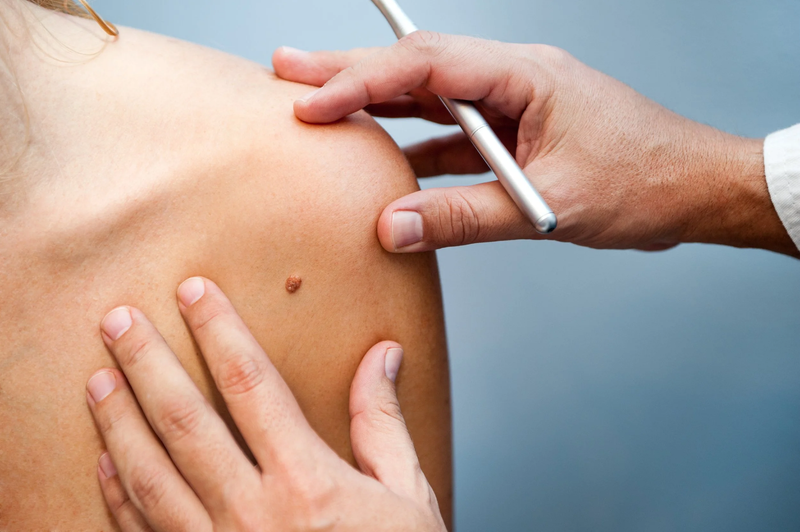
How Dermoscopy Detects Atypical Moles
Dermoscopy uses a handheld device called a dermoscope, which combines magnification and specialized lighting to provide a detailed view of moles beneath the skin’s surface. Unlike visual inspections with the naked eye, dermoscopy can reveal internal structures, pigment networks, and vascular patterns. These microscopic details help dermatologists distinguish between normal moles and atypical or suspicious ones.
During evaluation, dermatologists look for features such as:
Asymmetry: Uneven shape or structure.
Irregular Borders: Jagged or blurred edges that may indicate abnormal growth.
Varied Coloration: Presence of multiple shades or unusual pigment patterns.
Structural Patterns: Dots, streaks, or network irregularities that are often associated with atypical moles.
By analyzing these characteristics, dermoscopy increases the accuracy of detecting atypical moles compared to standard visual examination.
Advantages of Early Detection
Early identification of atypical moles is crucial. Detecting abnormal moles before they develop into melanoma or other skin cancers improves treatment outcomes and reduces the risk of serious complications. Dermoscopy allows dermatologists to monitor atypical moles over time, capturing high-resolution images during each visit. These images provide a reference for future evaluations, enabling professionals to notice even subtle changes.
Non-Invasive and Safe Detection
Dermoscopy is entirely non-invasive, making it a safe and comfortable procedure for patients. There is no cutting, injection, or tissue removal involved. The evaluation is painless and suitable for individuals of all ages, including children. Because it can be repeated regularly, dermoscopy allows for continuous monitoring of atypical moles without any risk of harm to the skin.
Monitoring Over Time
Atypical moles may change slowly over time, and continuous monitoring is essential to catch potential issues early. By using dermoscopy, dermatologists can track the progression of these moles, compare images from previous visits, and determine whether intervention is necessary. This proactive approach ensures that any concerning changes are addressed promptly, giving patients peace of mind.
Importance for Residents in Dubai
Residents in Dubai are exposed to strong sunlight throughout the year, which increases the likelihood of mole changes and skin damage. Dermoscopy provides an effective solution for this high-risk environment by detecting atypical moles early and helping individuals maintain healthy skin. Preventive evaluations can significantly reduce the risk of melanoma, particularly for those with fair skin, multiple moles, or a family history of skin cancer.
Final Thoughts
In conclusion, Dermoscopy Mole Evaluation in Dubai is a highly effective method for detecting atypical moles. Its magnification and specialized lighting reveal subtle features that cannot be seen with the naked eye, allowing for accurate identification and ongoing monitoring. The procedure is non-invasive, safe, and suitable for patients of all ages and skin types.




Top comments (0)