

In digital marketing, both PPC (Pay-Per-Click advertising) and organic search (SEO) are powerful ways to bring traffic to your website. Many businesses use both together to grow faster. But when these two channels are not managed properly, they can start competing with each other. This problem is called keyword cannibalization between PPC and organic search.
Keyword cannibalization happens when your paid ads and organic pages target the same keywords and end up fighting for the same audience. Instead of helping each other, they reduce performance, increase costs, and lower return on investment (ROI).
This guide will explain:
What keyword cannibalization really means
Why it happens between PPC and SEO
How it affects your traffic and budget
How to identify and fix it
Best strategies to align PPC and SEO for long-term success
This article is written in very simple English, so even beginners can understand and apply it easily.
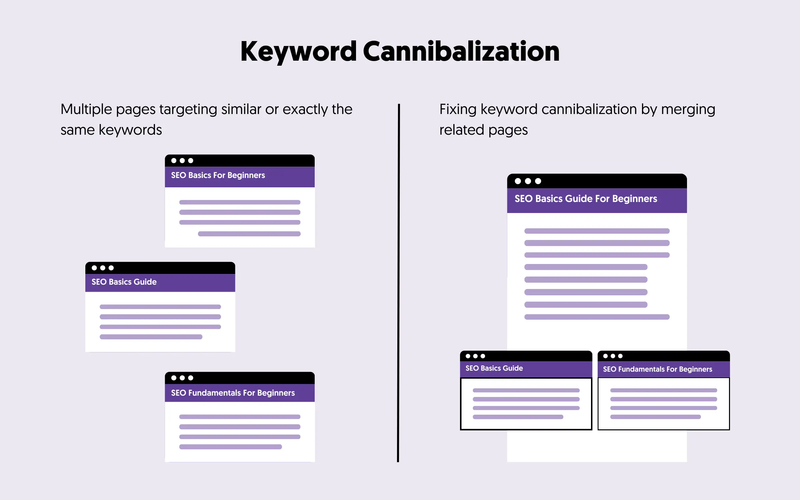
Understanding Keyword Cannibalization
What Is Keyword Cannibalization?
Keyword cannibalization means multiple marketing efforts targeting the same keyword and competing with each other.
In SEO, it usually happens when:
- Two or more pages on the same website rank for the same keyword
In PPC and SEO together, it happens when:
- Your paid ads and organic search results appear for the same keyword
For example:
Your website ranks #1 organically for “B2B marketing agency”
At the same time, you are running Google Ads for the same keyword
In this case, you may be paying for clicks that you would have received for free from organic search.
Difference Between Organic Cannibalization and PPC–SEO Cannibalization
Organic keyword cannibalization:
Happens within SEO
Multiple pages fight for the same keyword
Weakens rankings and confuses search engines
PPC–SEO keyword cannibalization:
Happens between paid ads and organic results
Increases ad costs
Reduces organic click-through rate (CTR)
This guide focuses mainly on PPC and organic search cannibalization.
Why PPC and Organic Search Often Compete
There are several reasons why this problem is very common:
Both teams target high-intent keywords
PPC teams focus on conversions, not organic rankings
SEO teams focus on rankings, not ad spend
Automated bidding strategies target the same terms
Lack of communication between SEO and PPC teams
When both channels work in silos, keyword overlap becomes unavoidable.
Why Keyword Cannibalization Between PPC and SEO Is a Problem
Increased Cost Per Click (CPC)
When you bid on keywords you already rank for organically:
You pay for clicks you could get for free
Competition increases, raising CPC
Your ad budget gets wasted
Over time, this leads to higher marketing costs with no extra benefit.
Reduced Organic Click-Through Rate (CTR)
Paid ads usually appear above organic results.
When your ad shows:
Many users click the ad instead of the organic link
Organic CTR drops
Search engines may think your organic result is less useful
This can slowly hurt your SEO performance.
Confusing Search Intent Signals
Search engines try to understand:
Which page is best for a keyword
Which result users prefer
When both paid and organic results send mixed signals:
Search engines get confused
Your pages may lose relevance
Rankings may fluctuate
Lower Overall ROI
Instead of PPC and SEO supporting each other:
They compete
Costs increase
Results stay the same or get worse
This reduces the overall return on your marketing investment.
Signs You Have PPC and Organic Keyword Cannibalization
PPC Ads Showing for Keywords Ranking #1 Organically
If your website:
Ranks in top 1–3 positions organically
Still runs ads for the same keyword
You are most likely wasting ad spend, unless there is a strategic reason.
Declining Organic CTR After Launching PPC Campaigns
After starting ads, you may notice:
Organic impressions remain same
Organic clicks go down
This is a clear sign that paid ads are stealing organic clicks.
High CPC on Brand or High-Ranking Keywords
Brand keywords and top-ranking keywords often:
Have low competition organically
Do not always need paid ads
If CPC is high for these terms, it signals keyword overlap issues.
How to Audit Keyword Cannibalization Between PPC and SEO
Analyze Organic Keyword Rankings
Use tools like:
Google Search Console
SEO tools (Ahrefs, SEMrush, etc.)
Look for:
Keywords ranking in top positions
Pages with strong organic traffic
These keywords should be reviewed before running ads.
Review PPC Search Term Reports
Inside Google Ads:
Check search term reports
Identify keywords triggering ads
Compare these with your organic ranking keywords to find overlaps.
Compare Paid vs Organic Performance
Check metrics like:
Click-through rate (CTR)
Conversion rate
Cost per conversion
Assisted conversions
This helps you decide:
- Which channel performs better for each keyword
Best Strategies to Avoid Keyword Cannibalization
Assign Clear Roles to PPC and SEO Keywords
A simple rule:
SEO → Long-term, informational, and mid-funnel keywords
PPC → High-intent, transactional, and competitive keywords
Each keyword should have one primary owner.
Use PPC for Keywords You Don’t Rank For Organically
PPC works best when:
You are not ranking on page 1
SEO results will take time
Paid ads fill the gap until SEO improves.
Pause or Reduce Bids on High-Performing Organic Keywords
If a keyword:
Ranks top 1–3 organically
Has strong CTR and conversions
You can:
Pause ads
Lower bids
Use exact match only
This saves budget without losing traffic.
Segment Keywords by Funnel Stage
Top of funnel:
Informational keywords
Best for SEO
Middle of funnel:
Comparison keywords
SEO + selective PPC
Bottom of funnel:
Purchase and conversion keywords
Best for PPC
This reduces overlap and improves targeting.
Smart PPC & SEO Keyword Mapping Framework
Keyword Mapping Table Explained
Create a simple keyword mapping table with:
Keyword
Search intent
Organic page
PPC status (active / paused)
Funnel stage
This helps teams avoid targeting the same keywords blindly.
Align Landing Pages With Search Intent
Avoid sending:
- Both ads and organic traffic to the same page without purpose
Use:
Dedicated landing pages for PPC
Informational pages for SEO
This improves relevance and conversions.
When PPC and SEO Should Work Together
Dominating SERPs for High-Value Keywords
Sometimes, running both is useful:
Very high-value keywords
Strong competition
Brand protection
Dual presence increases trust and visibility.
Launching New Products or Pages
SEO takes time.
Use PPC to:
Drive immediate traffic
Test keyword performance
Collect conversion data
Later, SEO can take over.
Competitive or Seasonal Keywords
For limited-time opportunities:
PPC provides quick results
SEO supports long-term visibility
This is strategic overlap, not cannibalization.
Tools to Manage PPC and Organic Keyword Overlap
Some useful tools include:
Google Search Console
Google Ads Search Term Reports
SEO tools like Ahrefs or SEMrush
Looker Studio dashboards for combined reporting
Using shared dashboards helps both teams see the same data.
Best Practices for Long-Term PPC & SEO Alignment
Do keyword audits every month
Share reports between PPC and SEO teams
Plan keywords together before campaigns
Track assisted conversions, not just last click
Review ROI regularly
Alignment is more important than volume.
Common Mistakes to Avoid
Bidding on every high-volume keyword blindly
Ignoring organic ranking data
Treating PPC and SEO as separate strategies
Not testing before scaling ads
Focusing only on traffic, not conversions
Avoiding these mistakes saves time and money.
Final Thoughts
Keyword cannibalization between PPC and organic search is a silent profit killer. Many businesses don’t realize they are paying for traffic they already earn for free.
The solution is not choosing PPC or SEO. The solution is smart coordination.
When PPC and SEO:
Have clear roles
Share data
Work toward the same goal
You get:
Lower costs
Higher ROI
Better rankings
Better conversions
A unified keyword strategy always performs better than competing channels.




Top comments (0)