
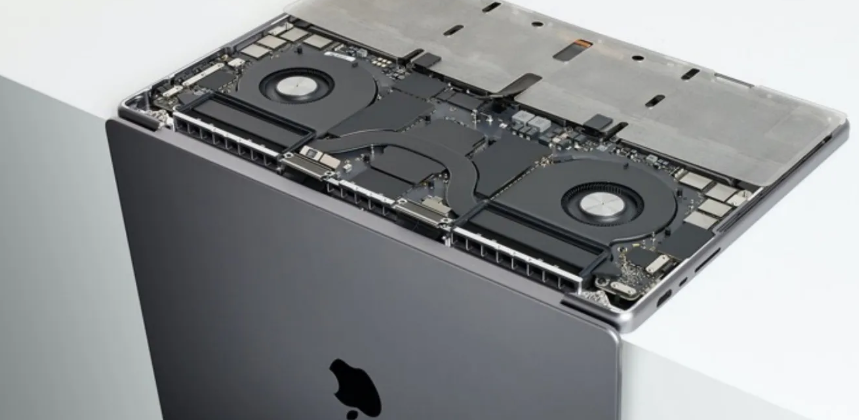

When your MacBook faces issues, it can disrupt your workflow and productivity. Whether it’s a hardware malfunction or software glitch, addressing the problem swiftly and efficiently is essential. MacBook repairs require technical expertise and attention to detail, and finding a reliable service provider in Dubai can be daunting.
This article will delve into common MacBook problems, the repair process, and expert tips to help you maintain your device. By the end, you'll have a clear understanding of what goes into MacBook repairs, the most common issues, and how to avoid unnecessary repair costs.
Common MacBook Issues and What They Mean
Understanding the most common issues your MacBook can face is the first step to ensuring its longevity. Let’s take a closer look at some of the most frequent MacBook problems and what they mean for your device.
1. Screen Damage
A cracked or shattered screen is one of the most visible and immediate problems with your MacBook. While the MacBook’s display is known for its stunning Retina quality, it’s also quite vulnerable to cracks, scratches, or shattered glass when dropped or exposed to pressure.
What Causes It:
Accidental drops or impacts.
Applying pressure to the screen, like carrying the device in tight spaces.
What It Means:
A damaged screen can affect your ability to work, watch content, or use your MacBook as usual. Although cosmetic, it can also hinder the functionality of the touch features. A screen replacement is usually the solution.
2. Battery Drain or Charging Issues
As your MacBook ages, the battery starts to degrade, resulting in shorter battery life or charging problems. When your MacBook refuses to hold a charge or drains quickly, it can be frustrating, especially for those on the go.
What Causes It:
Normal wear and tear as the battery ages.
Overcharging or heat exposure.
What It Means:
A failing battery can significantly reduce your MacBook's usability, especially when you're dependent on portability. You may need a replacement battery to restore your MacBook's performance.
3. Overheating and Fan Problems
MacBooks, particularly when used for demanding tasks like video editing or gaming, can overheat. This is often accompanied by loud fan noises as the cooling system tries to regulate the internal temperature. Overheating can damage internal components if not addressed.
What Causes It:
Dust buildup inside the MacBook.
Running resource-heavy applications for long periods.
A malfunctioning fan or cooling system.
What It Means:
Overheating not only causes discomfort but also leads to hardware damage if left unchecked. It’s vital to clean the internals and check the fan system to maintain optimal performance.
4. Slow Performance and Lag
One of the most frustrating issues is when your MacBook begins to lag or operates slower than usual. You may notice delays in response, slow app launches, and long load times when browsing.
What Causes It:
Running out of disk space.
Outdated or corrupted software.
Insufficient RAM or storage.
What It Means:
Sluggish performance can severely hamper your productivity. It could indicate the need for a hardware upgrade, such as adding more RAM or replacing the hard drive with a solid-state drive (SSD).
5. Logic Board (Motherboard) Failures
The logic board, or motherboard, is the heart of your MacBook. It houses vital components like the CPU, memory, and storage, and any malfunction here can cause the MacBook to fail entirely.
What Causes It:
Physical damage or shock.
Power surges.
Liquid spills or overheating.
What It Means:
A malfunctioning logic board can result in your MacBook not powering on or exhibiting erratic behavior. Repairs are complex and may require either a repair or complete replacement of the logic board.
The MacBook Repair Process: From Diagnosis to Fix
When you bring your MacBook in for repair, a reliable process ensures that the issue is thoroughly diagnosed and fixed efficiently. Here’s a typical breakdown of the repair process for a MacBook:
1. Initial Diagnostics
The first step is identifying the issue. In most cases, technicians run a series of diagnostic tests to check hardware and software performance. The diagnostics help determine whether the issue is with the screen, battery, storage, or other internal components.
This stage is essential for:
Pinpointing the problem.
Providing an accurate estimate of repair time and cost.
2. Repair Estimate
Once the problem is identified, a repair estimate is provided. A reputable service center will explain the repairs needed and offer a detailed breakdown of the costs involved. Always request transparency when it comes to pricing, especially regarding parts and labor.
3. Repairs and Replacements
After approval, the repair work begins. Common repairs include:
Screen replacements: If the screen is cracked or damaged, it's replaced with a new one.
Battery replacements: Old or worn-out batteries are swapped with high-quality, genuine replacements.
Logic board repairs: These involve addressing issues with the motherboard, typically requiring precision and specialized skills.
In cases where parts need to be replaced, make sure that the service center uses genuine parts or high-quality third-party components that meet Apple’s standards.
4. Testing and Quality Control
After the repairs are completed, the MacBook undergoes rigorous testing to ensure that all functions work as expected. This includes:
Testing screen clarity and touch functionality.
Verifying battery charging and lifespan.
Checking the overall performance, including speed and responsiveness.
Only after passing these tests will the MacBook be returned to the customer.
Maintenance Tips for Extending the Life of Your MacBook
To avoid costly repairs and keep your MacBook running smoothly for years to come, here are some essential maintenance tips:
1. Regular Software Updates
Keeping your MacBook’s software up to date ensures that it runs optimally. Regular updates address security vulnerabilities, fix bugs, and improve system performance.
2. Avoid Overheating
Make sure your MacBook is used on a hard surface to allow proper ventilation. Overheating can damage internal components. Keep your cooling system clean and avoid blocking the air vents.
3. Clean Your MacBook Regularly
Dust and debris can accumulate inside the device, especially near the cooling fans. Regularly cleaning the exterior and using compressed air to clear dust from the vents will help maintain proper airflow.
4. Back Up Your Data
Before undergoing any repair, always back up your important files to avoid losing valuable data. You can use iCloud, an external hard drive, or a cloud service to ensure your files are safely stored.
5. Use a Surge Protector
To protect your MacBook from power surges or fluctuations, always plug it into a surge protector. This will help prevent logic board damage due to electrical issues.
Conclusion
Understanding common MacBook issues, the repair process, and the importance of maintenance can help you make informed decisions when your device starts malfunctioning. Whether you’re dealing with a cracked screen, slow performance, or logic board issues, it’s essential to address these problems promptly to avoid further damage.
While this article provides you with the knowledge needed to identify MacBook issues, there will be times when professional help is necessary. In those cases, choose a trusted repair service with a proven track record of quality and reliability. TechFix is committed to offering expert MacBook repair Dubai, ensuring that your device gets the care it deserves. From screen replacements to logic board repairs, we provide efficient, affordable, and high-quality services to restore your MacBook to its optimal performance.
Contact TechFix today for a free diagnostic or if you need expert assistance with your MacBook repair.




Top comments (0)