
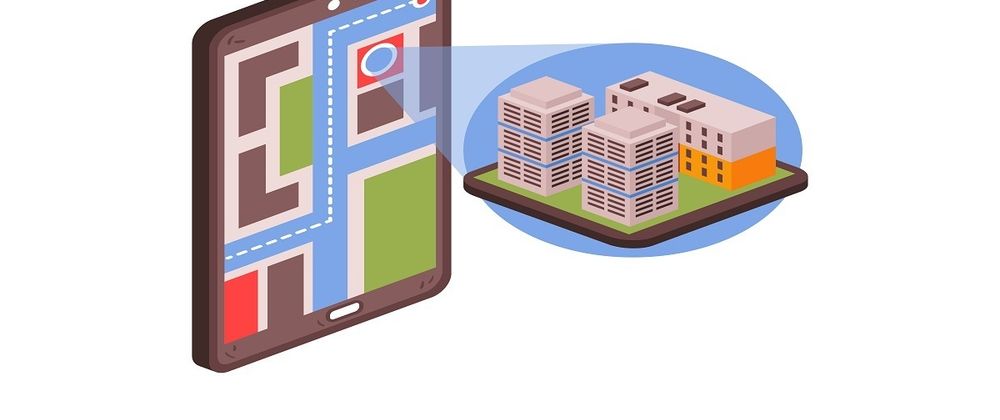

The real estate industry is undergoing a digital transformation as buyers, sellers, agents, and property managers increasingly rely on mobile and web applications. In 2026, real estate apps are no longer limited to property listings; they deliver immersive experiences, real-time insights, and seamless transactions. This evolution is driven by advanced technologies that improve efficiency, transparency, and user engagement. This blog explores the top technologies powering real estate app development in 2026 and how they are shaping the future of the property market.
The Growing Importance of Technology in Real Estate Apps
Modern real estate users expect instant access to property data, virtual tours, secure payments, and personalized recommendations. Developers must adopt innovative technologies to meet these expectations while ensuring scalability and security. In 2026, successful real estate apps leverage a combination of AI, cloud computing, immersive technologies, and data analytics to stay competitive.
Artificial Intelligence and Machine Learning
Artificial intelligence (AI) and machine learning are at the core of real estate app development services in 2026. AI-powered algorithms analyze user behavior, preferences, and search patterns to deliver personalized property recommendations. This improves user engagement and increases conversion rates.
Machine learning models also help predict property prices, rental yields, and market trends by analyzing historical data and real-time market signals. Chatbots and virtual assistants powered by AI provide instant responses to user queries, schedule property visits, and guide users through buying or renting processes. AI-driven fraud detection further enhances security by identifying suspicious listings or activities.
Big Data and Advanced Analytics
Big data plays a crucial role in modern real estate apps. In 2026, apps collect and process vast amounts of data from multiple sources, including market trends, demographic data, location insights, and user interactions. Advanced analytics tools transform this data into actionable insights.
Real estate professionals use analytics to understand customer behavior, optimize pricing strategies, and identify high-demand locations. For users, data-driven insights help compare properties, estimate costs, and make informed decisions. Big data enables transparency and accuracy across the real estate ecosystem.
Augmented Reality and Virtual Reality
Augmented reality (AR) and virtual reality (VR) have become essential technologies in real estate app development in 2026. Virtual property tours allow users to explore homes remotely, saving time and reducing the need for physical visits. VR provides immersive 3D walkthroughs, giving users a realistic sense of space and layout.
AR enhances on-site visits by overlaying digital information, such as property details, measurements, or interior design options, onto real-world environments. These technologies improve user experience, increase engagement, and help buyers visualize properties more effectively.
Cloud Computing and Scalable Architecture
Cloud computing is the backbone of scalable real estate apps in 2026. Cloud-based infrastructure enables apps to handle high traffic volumes, store large media files, and deliver real-time updates without performance issues. Developers use cloud services for data storage, backend processing, and deployment automation.
Scalable cloud architecture ensures that real estate apps can grow with increasing users and listings. It also improves reliability, data backup, and disaster recovery. Cloud-native development reduces infrastructure costs while enhancing performance and security.
Blockchain Technology
Blockchain technology is transforming trust and transparency in real estate apps. In 2026, blockchain is used to securely store transaction records, property ownership details, and legal documents. Its decentralized nature prevents data tampering and reduces fraud.
Smart contracts automate processes such as property transfers, rental agreements, and payments. These self-executing contracts reduce paperwork, speed up transactions, and minimize human error. Blockchain also enables secure digital identities, enhancing user verification in real estate platforms.
Internet of Things (IoT)
The Internet of Things (IoT) plays a growing role in smart property management. In 2026, real estate apps integrate with IoT devices such as smart locks, sensors, thermostats, and security systems. These integrations allow users and property managers to monitor and control properties remotely.
IoT data provides real-time insights into energy usage, maintenance needs, and occupancy patterns. This improves operational efficiency and enhances the value of properties. Smart home features are becoming a key differentiator in modern real estate apps.
Geolocation and Mapping Technologies
Location-based services are critical for real estate apps. In 2026, advanced geolocation and mapping technologies provide accurate property locations, nearby amenities, and neighborhood insights. Interactive maps help users visualize property proximity to schools, transport, hospitals, and commercial areas.
Geofencing and location analytics enable personalized notifications and targeted marketing. These features improve search accuracy and enhance user decision-making.
Secure Payment and Fintech Integration
Secure payment technologies are essential for develop an app like realtor that support bookings, deposits, and rent payments. In 2026, apps integrate digital wallets, contactless payments, and escrow services for seamless financial transactions.
Advanced encryption, multi-factor authentication, and compliance with financial regulations ensure secure payment processing. Fintech integration simplifies transactions and builds trust among users.
API-First and Microservices Architecture
Modern real estate apps in 2026 use API-first and microservices architecture to ensure flexibility and scalability. APIs enable seamless integration with third-party services such as CRM systems, mortgage providers, and analytics platforms.
Microservices allow developers to update and scale individual components without affecting the entire system. This approach improves performance, speeds up development, and supports continuous innovation.
Conclusion
In 2026, real estate app development is powered by a diverse range of advanced technologies that enhance user experience, security, and efficiency. AI, big data, AR/VR, cloud computing, blockchain, IoT, and secure fintech integrations are transforming how properties are discovered, managed, and transacted. By leveraging these technologies, real estate businesses can build innovative, scalable, and future-ready apps that meet the evolving demands of the digital property market.




Top comments (0)