

Dark circles under the eyes are a common cosmetic concern that can affect individuals of all ages and skin types. While many people associate them with fatigue or aging, one of the primary causes is pigmentation. Excess melanin in the under-eye area can create persistent dark shadows that are resistant to home remedies and lifestyle changes. For those seeking effective solutions, Dark Circles Treatment in Dubai provides advanced options that target pigmentation directly, offering long-lasting and noticeable results.
Understanding Pigmentation-Related Dark Circles
Pigmentation occurs when the skin produces excess melanin, the natural pigment responsible for color. In the delicate under-eye area, excess melanin can lead to brown, gray, or darker shadows that are often more pronounced in individuals with medium to darker skin tones. Unlike dark circles caused by hollowing or visible blood vessels, pigmentation-related dark circles are primarily a skin color issue. They can develop due to genetic factors, sun exposure, hormonal changes, or inflammation.
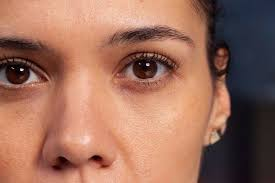
How Pigmentation Develops Under the Eyes
Several factors can trigger pigmentation in the under-eye area. Genetics can play a significant role, as some individuals are naturally predisposed to higher melanin production. Chronic sun exposure can worsen pigmentation by stimulating melanocytes, the cells responsible for melanin. Hormonal changes, including those during pregnancy or due to certain medications, may also increase pigmentation. Additionally, repeated rubbing, irritation, or inflammation of the under-eye area can contribute to melanin overproduction, further darkening the skin.
Signs That Pigmentation Is the Cause
Identifying the cause of dark circles is essential for effective treatment. Pigmentation-related dark circles often appear as brown, gray, or unevenly colored patches under the eyes. They tend to persist even after adequate sleep and hydration. Unlike shadowing from hollowing or volume loss, pigmentation does not change with lighting or facial expression. Recognizing these signs helps guide the selection of appropriate treatments.
Effective Treatments for Pigmentation-Related Dark Circles
Professional treatments are particularly effective for addressing dark circles caused by pigmentation. Topical creams containing vitamin C, niacinamide, and other brightening agents can gradually reduce melanin production and improve skin tone. Chemical peels are another option, helping to remove pigmented cells and promote the growth of new, evenly-colored skin.
Laser therapy is highly effective for pigmentation-related dark circles. Non-ablative and Q-switched lasers target excess melanin while stimulating collagen production, improving both color and texture. Treatment plans are tailored based on skin type and pigmentation severity to minimize the risk of irritation or hyperpigmentation.
Microneedling combined with PRP (Platelet-Rich Plasma) therapy can also enhance results by stimulating collagen production and rejuvenating the skin. This approach thickens the delicate under-eye area and supports an even tone, complementing laser or topical treatments.
Lifestyle Measures to Support Pigmentation Treatment
Even with professional interventions, lifestyle habits can support long-term results. Consistent sun protection is critical, as UV exposure can worsen pigmentation. Adequate sleep, hydration, and a nutrient-rich diet help maintain skin health and minimize the appearance of dark circles. Avoiding rubbing or scratching the under-eye area also prevents inflammation and further melanin production.
Combining Treatments for Optimal Results
For the best outcomes, treatments for pigmentation-related dark circles are often combined. Laser therapy can target deeper melanin deposits, chemical peels improve surface pigmentation, and topical products maintain results over time. This multi-faceted approach addresses pigmentation from multiple angles, providing long-lasting improvement while reducing the risk of recurrence.
Why Dubai Residents Choose Professional Treatment
Dubai is known for advanced cosmetic procedures and access to highly trained specialists who provide tailored treatment plans for pigmentation-related dark circles. Those seeking the Best Dark Circles Treatment Dubai benefit from customized approaches that combine multiple therapies, ensuring safe and effective results for all skin types. Professional guidance ensures that treatments are chosen based on skin type, pigmentation severity, and underlying causes, maximizing both safety and effectiveness.
Conclusion
Pigmentation is a major cause of persistent dark circles under the eyes, particularly in individuals with medium to darker skin tones or a genetic predisposition. While home remedies and lifestyle changes may offer limited improvement, professional treatments such as laser therapy, chemical peels, microneedling, PRP, and targeted topical products can effectively reduce pigmentation and restore a brighter, more youthful under-eye appearance. By combining these treatments with sun protection and healthy habits, residents in Dubai can achieve long-lasting, natural-looking results. Understanding the role of pigmentation ensures that patients select the most appropriate solutions, making dark circles manageable and enhancing overall facial aesthetics.




Top comments (0)