

Oily skin is a common concern for many, especially in humid climates where excess sebum can lead to frequent breakouts, enlarged pores, and that shiny appearance by midday. When oil production is out of balance, it can trap dirt and dead skin cells in pores, creating the perfect environment for acne-causing bacteria to thrive. Fortunately, tailored acne care strategies exist that effectively manage both oiliness and blemishes, helping skin feel clearer, smoother, and healthier. Acne Treatment In Dubai has evolved to offer targeted solutions for oily skin that don’t strip the skin of moisture but balance sebum, calm inflammation, and prevent recurring breakouts.
Understanding Oily Skin and Acne
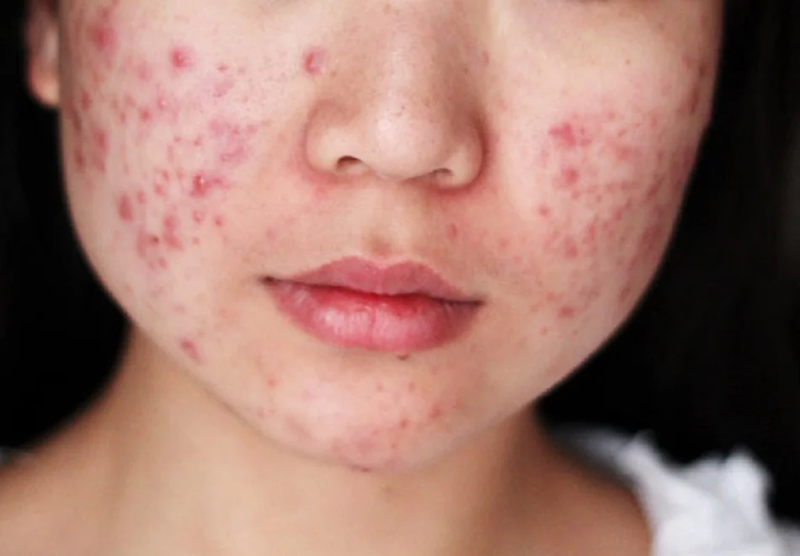
Oily skin produces more sebum than dry or normal skin types. While sebum itself helps protect and lubricate the skin, excess production can mix with dead skin cells and bacteria, forming clogs that result in blackheads, whiteheads, and inflammatory acne. Oily skin also tends to have larger pores, making breakouts more visible and harder to manage without the right approach. Not all acne treatments work equally well for oily skin—some can be too harsh, over-drying, or irritating. The best treatments for oily skin focus on regulating sebum production, gently exfoliating pores, and reducing inflammation without damaging the skin’s natural barrier.
Topical Treatments for Oily Skin
One of the most effective ways to manage oily skin is through topical treatments designed to control oil and target acne at the source.
Retinoids
Retinoids are vitamin A derivatives that help speed up skin cell turnover. They prevent pores from becoming clogged with dead skin cells and reduce oil production over time. For oily skin, retinoids can be especially powerful because they help minimize both comedonal acne (blackheads and whiteheads) and inflammatory lesions.
Salicylic Acid
Salicylic acid is a beta-hydroxy acid (BHA) that penetrates deep into pores to dissolve excess oil and clear blockages. It’s especially beneficial for oily skin because it targets the oily sebum directly while gently exfoliating the skin’s surface. Regular use can result in clearer pores and fewer breakouts.
Benzoyl Peroxide
Benzoyl peroxide works by reducing acne-causing bacteria and calming inflammation. For skin that’s oily and prone to frequent breakouts, benzoyl peroxide can help reduce both the number and severity of acne lesions. Lower concentrations are often recommended initially to reduce irritation, especially for sensitive skin.
Niacinamide
Niacinamide is a multi-benefit ingredient that not only reduces inflammation but also helps regulate sebum production. It’s an excellent choice for oily skin because it balances oiliness while soothing redness and irritation that commonly accompany acne.
Professional Treatments That Help Oily Skin
For individuals with moderate to severe acne or persistent oiliness despite topical care, professional treatments can enhance results and deliver deeper improvements.
Laser and Light Therapies
Certain types of light-based treatments target sebaceous glands (oil-producing glands) to reduce oil output and kill acne-causing bacteria. Laser therapies can also stimulate collagen production, which helps minimize the appearance of pores and improve overall skin texture.
Chemical Peels
Superficial to medium-depth chemical peels use acids like glycolic, lactic, or salicylic acid to remove the outer layer of dead skin cells and oil buildup. For oily skin, peels can provide a deep cleanse that unclogs pores and reduces shine, often resulting in clearer and more balanced skin.
Microneedling
While microneedling is often associated with scar reduction, it also promotes healthy skin regeneration and can support overall skin health. Combined with topical treatments prescribed by professionals, it can help restore skin’s natural balance and texture.
Daily Skincare Habits for Oily Skin
The best acne treatment regimen for oily skin goes beyond active ingredients—it also includes daily habits that support long-term clarity and balance.
Choose a Gentle Cleanser: Use a cleanser formulated for oily skin that removes excess oil without stripping the skin. Overly harsh cleansers can trigger more oil production as the skin tries to compensate.
Skip Heavy Creams: Opt for lightweight, non-comedogenic moisturizers that hydrate without clogging pores. Gel-based moisturizers often work well for oily skin.
Use Sunscreen Daily: Sunscreen helps protect skin from UV damage, which can worsen acne scars and pigmentation. Look for oil-free and non-comedogenic sunscreens suitable for acne-prone skin.
**Avoid Over-Exfoliating: **While exfoliation is important, too much can irritate the skin and increase oil production. Stick to exfoliating 2–3 times per week unless directed otherwise by a skincare professional.
**Blot Excess Oil: **Blotting papers can help manage surface oil during the day without disturbing makeup or skin care products.
Common Mistakes to Avoid
Even with the right products, oily skin can become worse if certain habits persist. Avoid squeezing or picking at pimples, which can spread bacteria and cause scarring. Also, avoid using products with heavy fragrances or occlusive oils that can clog pores. Consistency and patience are key—oily skin often responds best when treatments are used steadily over time rather than intermittently.
Conclusion
For oily skin, the most effective acne treatments are those that regulate sebum production, clear clogged pores, and calm inflammation without irritating the skin. A combination of targeted topical treatments such as retinoids, salicylic acid, benzoyl peroxide, and niacinamide, along with professional procedures like laser therapy or chemical peels, can deliver lasting improvement. Daily skincare habits that support balanced oil levels also play a crucial role in maintaining results. For those seeking advanced and tailored care, the Best Acne Treatment Dubai integrates professional expertise with personalized regimens, helping individuals achieve clearer, smoother, and healthier skin—without compromising comfort or long-term skin health.





Top comments (0)