

Marketing collateral plays a very important role in how a business communicates with its audience. Whether you run a small startup, a growing company, or a large brand, marketing collateral helps you explain who you are, what you offer, and why customers should choose you.
In this guide, we will explain what marketing collateral is, why it matters, and all the important types of marketing collateral every business should use. This blog is written in very simple language so anyone can understand it easily.
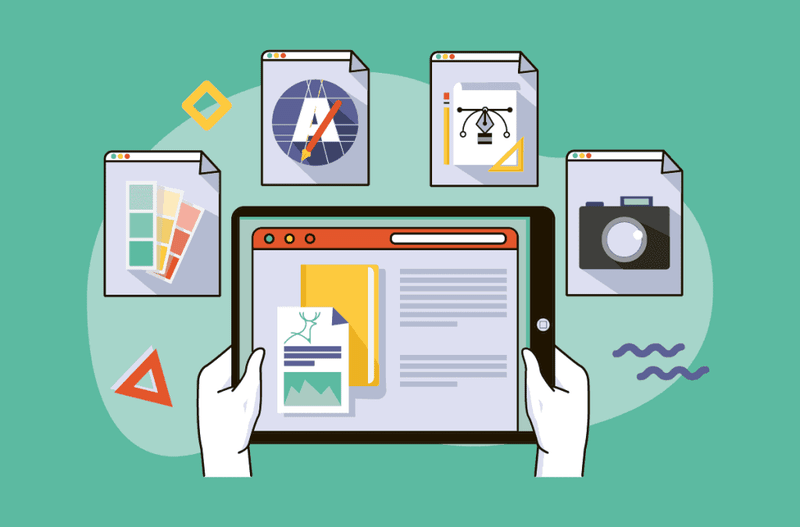
What Is Marketing Collateral?
Marketing collateral is any material a business uses to promote its products, services, or brand. These materials help businesses share information, attract customers, and support sales efforts.
Marketing collateral can be:
Printed (like brochures or business cards)
Digital (like websites or PDFs)
Used online or offline
Created for marketing, sales, or customer support
The main goal of marketing collateral is to inform, persuade, and remind customers about your business.
Why Marketing Collateral Matters for Every Business
Marketing collateral is not just “extra content.” It is a core part of business growth and branding.
Builds Brand Awareness
Marketing collateral helps people recognize your brand. When your logo, colors, tone, and message stay consistent, customers start to remember you easily.
Educates Customers
Good marketing collateral explains your product or service clearly. This helps customers understand how you solve their problems.
Supports Sales Teams
Sales teams use marketing collateral like presentations, brochures, and case studies to close deals faster and more confidently.
Builds Trust and Credibility
Professional and well-designed marketing materials make your business look trustworthy and reliable.
Improves Marketing Results
When customers get the right information at the right time, they are more likely to take action.
Types of Marketing Collateral
There are many types of marketing collateral, and each one serves a different purpose. Below, we explain the most important categories in detail.
Print Marketing Collateral
Print marketing collateral includes physical materials that customers can touch, read, and keep.
Brochures
Brochures provide detailed information about your business, products, or services. They are commonly used in offices, events, and meetings.
Flyers and Leaflets
Flyers are short and simple. They are perfect for promotions, offers, events, or announcements.
Business Cards
Business cards share basic contact information and help create a strong first impression.
Posters and Banners
Posters and banners are used to attract attention in public places, offices, or events.
Product Catalogs
Product catalogs list all your products with images, descriptions, and prices.
Print collateral works well for offline marketing, events, and local promotion.
Digital Marketing Collateral
Digital marketing collateral is used online and is easy to share, update, and track.
Websites and Landing Pages
A website is the most important digital asset for any business. Landing pages are designed to convert visitors into leads or customers.
Email Newsletters
Email newsletters help you stay connected with your audience and share updates, offers, and useful content.
Ebooks and Whitepapers
These are long-form content pieces that educate readers and generate leads.
Digital Brochures and PDFs
Digital brochures work like print brochures but are shared online.
Online Presentations
Online presentations are used for sales meetings, webinars, and virtual events.
Digital collateral is cost-effective and perfect for modern marketing strategies.
Sales-Focused Marketing Collateral
Sales-focused collateral directly supports the sales process.
Sales Decks and Pitch Presentations
Sales decks explain your offering, benefits, and pricing in a clear way.
Case Studies
Case studies show real success stories and help build trust.
Product Datasheets
Datasheets provide technical details, features, and specifications.
Pricing Sheets
Pricing sheets help customers understand costs clearly.
Proposal Templates
Proposal templates save time and ensure consistency.
This type of collateral helps sales teams communicate confidently and professionally.
Content Marketing Collateral
Content marketing collateral helps attract, educate, and engage your audience.
Blog Posts
Blogs help answer customer questions and improve search engine rankings.
Infographics
Infographics explain complex information in a visual and easy way.
Videos and Explainer Videos
Videos are highly engaging and easy to understand.
Podcasts and Audio Content
Audio content allows users to learn on the go.
Social Media Content
Social posts, reels, and stories help build brand awareness and engagement.
Content marketing collateral builds long-term trust and authority.
Brand Awareness Collateral
Brand awareness collateral focuses on how your brand looks and feels.
Logo and Brand Guidelines
Brand guidelines define colors, fonts, tone, and usage rules.
Brand Story Documents
These documents explain your mission, vision, and values.
Corporate Videos
Corporate videos introduce your company and culture.
Company Profiles
Company profiles provide an overview of your business.
Brand Brochures
Brand brochures focus more on identity than sales.
Strong branding creates a consistent and professional image.
Event and Offline Marketing Collateral
Event marketing collateral helps businesses stand out at physical events.
Trade Show Booths and Displays
These attract visitors and showcase your brand.
Roll-Up Banners
Roll-up banners are portable and easy to set up.
Event Handouts
Handouts provide quick information to attendees.
Merchandise and Giveaways
Branded gifts increase brand recall.
Signage and Standees
Signage helps guide and inform visitors.
Event collateral creates memorable brand experiences.
Customer Engagement and Retention Collateral
Keeping existing customers happy is just as important as finding new ones.
Welcome Kits
Welcome kits help new customers feel valued.
Onboarding Guides
Onboarding guides explain how to use your product or service.
User Manuals
Manuals help customers use products correctly.
FAQs and Help Documents
FAQs reduce customer confusion and support requests.
Loyalty Program Materials
These materials encourage repeat purchases.
Good retention collateral improves customer satisfaction and loyalty.
How to Choose the Right Marketing Collateral for Your Business
Not every business needs every type of collateral. Choosing wisely is important.
Understand Your Target Audience
Know who your customers are and what they need.
Set Clear Business Goals
Decide whether your goal is awareness, leads, or sales.
Match Collateral to the Buyer’s Journey
Different stages need different types of content.
Balance Print and Digital
Use a mix of offline and online materials.
A clear strategy prevents wasted time and effort.
Best Practices for Creating Effective Marketing Collateral
Keep Messaging Simple and Clear
Avoid complicated language and jargon.
Focus on Value
Show how you help customers, not just what you sell.
Use Consistent Branding
Colors, fonts, and tone should stay consistent.
Optimize Digital Collateral
Ensure fast loading, mobile-friendliness, and SEO optimization.
Update Content Regularly
Outdated content can harm your brand image.
Quality always matters more than quantity.
Common Mistakes to Avoid
Creating Too Much Content Without Strategy
More content does not always mean better results.
Ignoring Brand Consistency
Inconsistent branding confuses customers.
Not Measuring Performance
Track engagement, leads, and conversions.
Using Outdated Information
Always keep information fresh and accurate.
Avoiding these mistakes saves time and resources.
How Marketing Agencies Help Build Powerful Marketing Collateral
Marketing agencies help businesses plan, create, and manage marketing collateral effectively.
They offer:
Strategic planning
Content creation
Graphic design
Branding support
Distribution strategies
Performance tracking
A professional digital marketing agency like Tattvam Media helps businesses create marketing collateral that aligns with business goals and delivers real results.
Conclusion
Marketing collateral is essential for every business, no matter the size or industry. From brochures and websites to case studies and onboarding guides, each type of marketing collateral plays a unique role in attracting, engaging, and retaining customers.
The key is to choose the right mix of marketing collateral, keep it simple and consistent, and update it regularly. When done correctly, marketing collateral becomes a powerful tool that supports branding, marketing, and sales efforts.




Top comments (0)